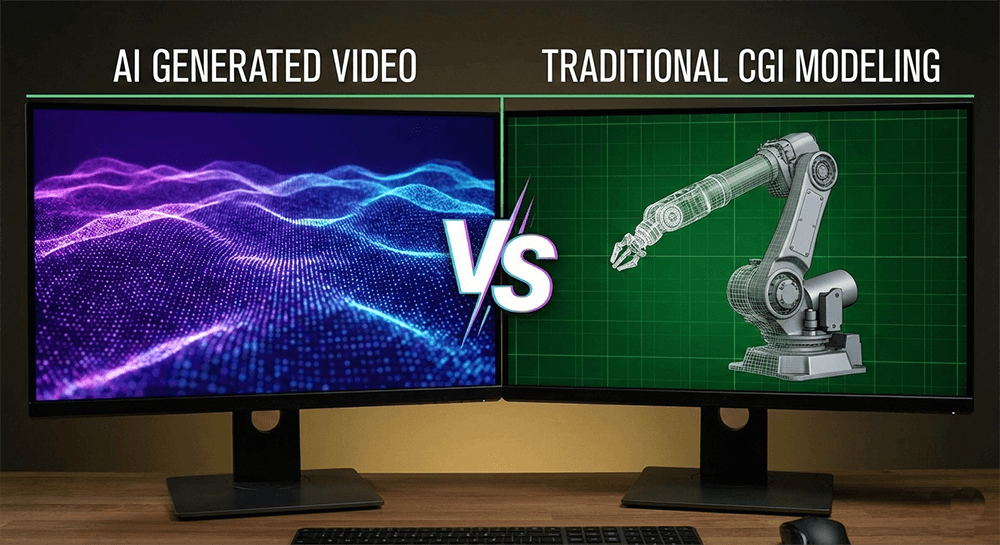
How brands tell stories has evolved dramatically in the past decade. From hard hustle long time photo-shoot to quick CGI video with the help of AI.
We’ve gone from static images to immersive videos, and we’re now at the intersection of two transformative technologies: AI-generated video and CGI (computer-generated imagery).
If you’re a product based brand owner, marketer, or ad agencies, chances are you’ve asked yourself the following:
- Whats is better for my brand?
- Is AI video replacing CGI?
- Where should I invest my creative budget?
That’s just what this guide does in a straightforward, candid, and practical manner. No jargon overload. No robotic explanations. No “cops and robbers” here, just real insights that enable you to make the right decision.
By the time we’re done, you’ll know everything there is to know about AI video vs CGI, how each works, what it’s best at, and what serves your brand goals most effectively.
The Evolution of Video Content in Branding
Video is not just something nice to have, but a fundamental part of modern branding. But the technology underlying video making is changing quickly.
How Brands Used to Create Visual Stories
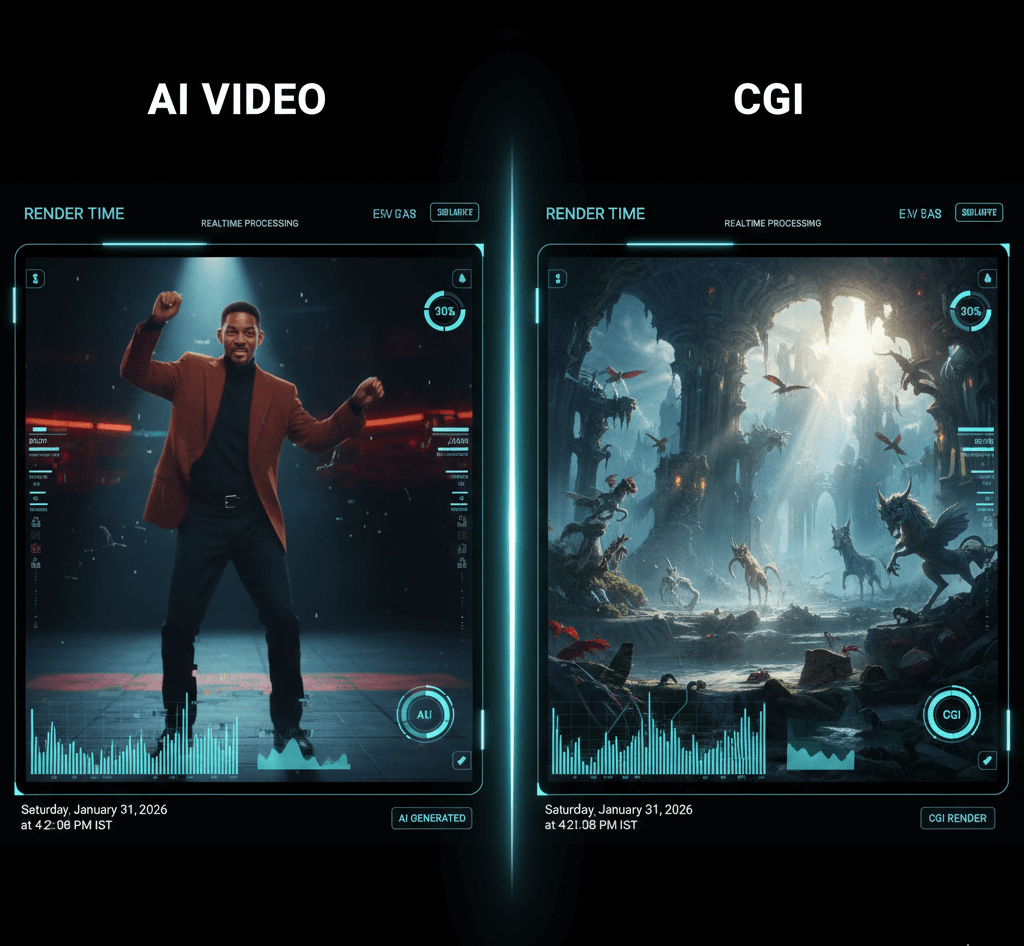
Back when AI wasn’t in the picture, brands were very dependent on traditional production practices just like that meant cameras, crews, actors, far-flung locations, and a long post-production timeline. CGI later in the early 1990s and subsequently transformed this process, allowing brands to develop visuals that never could have existed IRL.
CGI-enabled brands to have superpowers, think of impossible worlds, futuristic products, and storytelling at the movies.
Why AI Changed the Game
And then, AI video took that a step further. Rather than creating the entire thing frame by frame, AI can learn patterns, automate tasks, and produce more videos more quickly than ever. This is part of what has ignited the big debate around AI video vs CGI, especially for brands that are looking at speed, scalability, and performance marketing.
What Is AI Video?
AI video is simply the application of artificial intelligence, and machine learning more specifically, to create, enhance, or automate the process of making videos. It doesn’t depend on manual animation for every last detail; instead, it learns from data.
How AI Video Actually Works
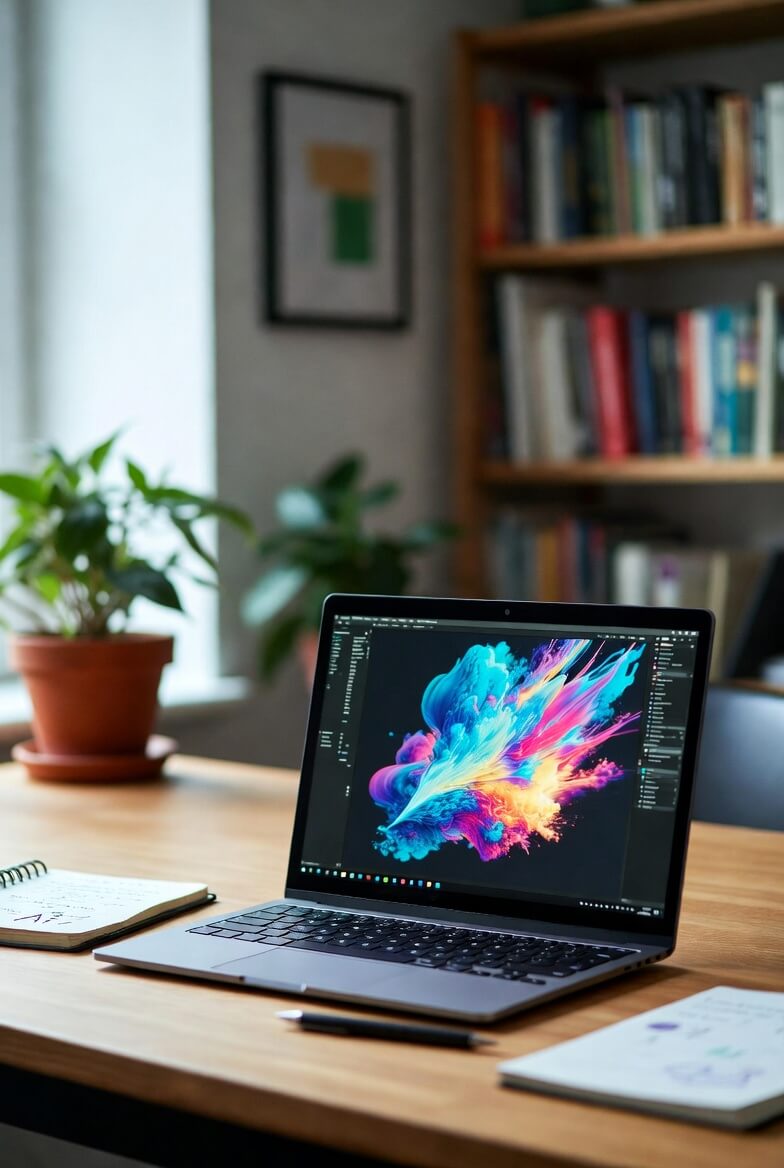
AI video tools process text prompts, images, audio,o or existing footage to generate visuals based on patterns. This would make it much less manual and further automated.
AI can:
- Generate human-like avatars
- Create explainer videos from scripts
- Automate transitions, captions, and edits
- Personalize content at scale
Why Brands Are Using AI Video
Brands are crazy about AI video because it’s quick, flexible, easy,e and cheap. You can create different versions of the same video for different audiences without having to start from scratch.
What Is CGI?
CGI or Computer Generated Imagery uses digital tools to produce complete visual content. Artists use 3D software programs Blender, Maya, and Cinema 4D to create all visual elements because they do not record actual objects or locations. This technology enables creators to develop visual elements that would be extremely challenging to achieve or completely impossible to create in actual environments.
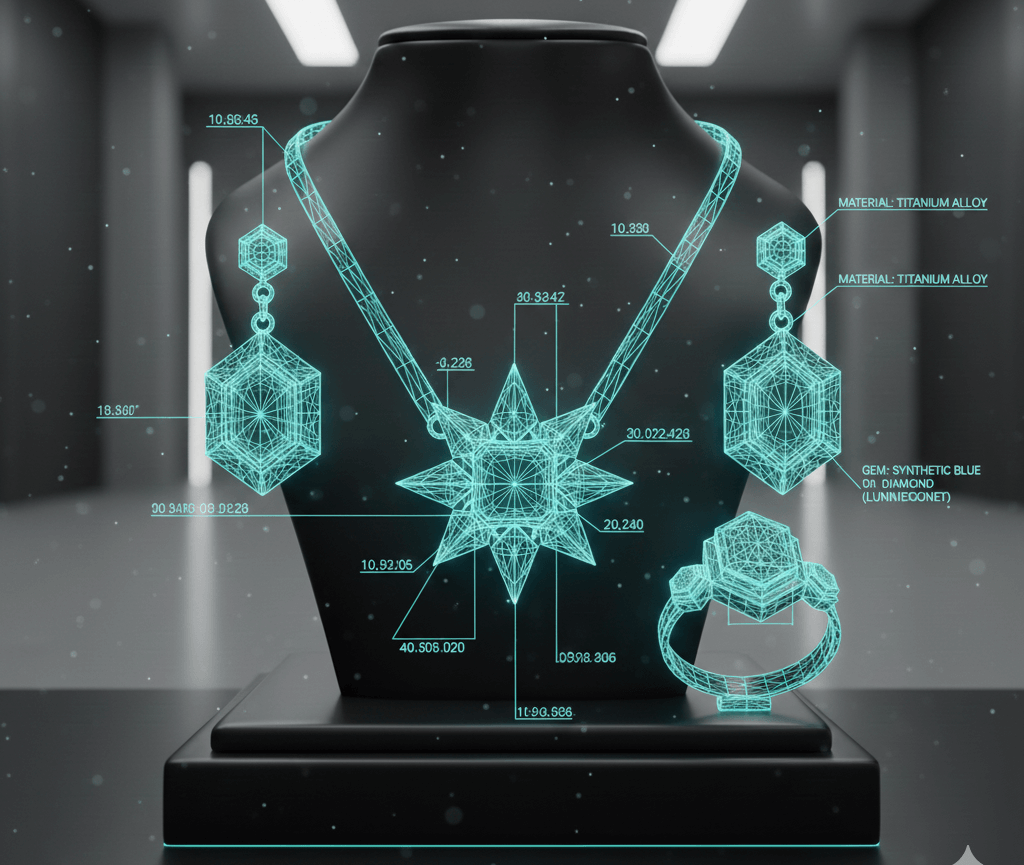
CGI enables brands to display their concepts without being restricted by any physical space. CGI technology enables designers to precisely manage every visual aspect of their work, which includes unproductive products, future settings, and hyper-realistic animations.
How CGI Is Created
The process of CGI creation combines technical skills with artistic vision through its structured process, which follows multiple stages. The process begins with 3D modeling, which involves creating digital models of objects, characters, and environments. The models undergo texturing, which uses surface details to apply colors and materials and finishes that make them appear realistic or stylized.
Lighting establishes the atmosphere and authenticity of the visual sequence through its essential function. The appropriate lighting establishes a digital object with three distinct visual styles, which include cinematic, dramatic, and soft natural appearance. Animators use rigging to create digital skeletons that enable characters to move in a realistic way.
The rendering process handles all visual components to create high-definition video frames and images from visual information. Artists at each step of the process create the final product through their artistic decisions, which determine the visual appearance and auditory experience.
Why CGI Feels Cinematic and Immersive
CGI visuals create polished experiences that connect with viewers because designers create every visual element with precise intention. The entire visual experience of the film exists because every single visual element was planned in detail.
Why CGI Still Dominates High-End Visuals
CGI is the gold standard for:
- Product visualization
- Brand films
- Cinematic ads
- Hyper-realistic animations
When you compare AI video vs CGI, CG artwork regularly reigns supreme since it has a degree of quality ideal for realism and emotional depth.
AI Video vs CGI: Core Differences Explained
| Feature | AI Video | CGI |
| Production Speed | Very Fast | Time-Intensive |
| Cost | Low to Medium | Medium to High |
| Customization | Limited | Extremely High |
| Visual Quality | Good | Cinematic & Premium |
| Best For | Marketing, Social Ads | Branding, Product Films |
Here are the real differences, no fluff.
- Creative Control
AI video offers speed, if not a great deal of customisation. You are frequently working within a template, within an already systemic system. CGI, however, allows artists total creative control.
This gap is the crux of the AI vs. CGI debate for high-end brands.
- Production Speed
Content from an AI video can be created in minutes or hours. CGI takes days or even weeks, depending on the complexity. If you require quick turnarounds, AI has the advantage.
- Cost Structure
AI video tools also offer very affordable subscription plans. CGI is more costly and interpreted by skilled technicians, but is also higher quality.
When AI Video Is the Better Choice for Your Jewelry Brand
1. Launching Frequent Campaigns and Collections
Jewelry brands use two distribution methods to present their products, which include seasonal collections, new designs, and limited drops. AI video enables users to produce new visual content through rapid development processes that do not require them to start their production work from scratch.
Brands use this method to maintain their market presence while they manage their project schedules and spending limits.
2. Social Media and Performance Marketing
The platforms of Instagram, Facebook,k and YouTube require users to produce content at high speeds while running multiple operations simultaneously. The AI video technology enables jewelry brands to create multiple advertising variations through which they can produce short films and reels that showcase their products from different perspectives.
The testing process benefits from this flexibility, which results in improved campaign performance.
3. Budget-Friendly Visual Content
The production requirements for each individual item and marketing effort differ from each other. The AI video technology provides an affordable method to display jewelry through its contemporary design, which works effectively for promotional activities and educational content.
4. Personalization at Scale
The AI video technology enables jewelry companies to create personalized videos that target specific audiences across various geographic areas and different customer groups. The brand can develop more relevant customer experiences by using customized messaging and tailored visuals without raising its production costs.
When CGI Is the Better Choice for Your Brand
CGI is really about impact, stories , and brand perception.
- High-End Product Visualisation
And what if your product doesn’t yet exist or needs to appear flawless? Well then, CGI is unrivaled. You can easily showcase textures, materials, and features exactly.
- Brand Storytelling & Emotional Connection
CGI allows brands to create worlds, emotions, and narratives that seem cinematic. In the AI video vs. CGI feud, storytelling wins every time.
Can AI Video and CGI Work Together?
Yes, and this is where it gets interesting. For speed and refinement, many a modern studio will mix AI video with CGI. And AI can do repetition, while CGI artists get the creative work.
Instead of taking sides in the AI video vs CGI debate, smart brands are using both strategically.
How Fine Grown Studio Uses CGI as the Core and AI as Support
-
Strategy Comes Before Technology
At Fine Grown Studio, every project begins withstrategy, not tools. We first understand the brand’s purpose,e audience, and visual goals before deciding how the video should be executed. We do not adopt AI video simply because it exists or is trending. Our focus remains on delivering visuals that communicate value, which elevates brand perception while performing effectively.
-
CGI as the Core of Our Visual Approach
Through its CGI-focused design, Fine Grown Studio specializes in jewelry and product rendering services. CGI enables us to manage each element, which includes metal reflections, gemstone brilliance,d lighting, textures, and camera movement.
The precise control over visual elements in product storytelling becomes essential because any minor visual difference affects how people perceive product quality and trustworthiness.
-
Limited and Purpose-Driven Use of AI
While CGI remains the foundation of our work, there are specific situations that enable us to use AI tools as supplementary resources without eliminating our CGI capabilities. In jewelry or product projects, AI enables teams to generate references, optimize workflows, and create initial design concepts.
However, CGI craftsmanship establishes the final visuals, which include animations and storytelling, because they require complete artistic control.
-
Human Creativity Leads Every Frame
Our process requires technological support, but creative elements direct our work. Every human decision at Fine Grown Studio determines project development through pattern building, visual storytelling, pacing, and emotional tone.
This method makes sure the final product appears to be a valuable brand presentation that people designed instead of a machine-produced product. Through CGI, we convert artistic ideas into powerful visuals that show authentic artistic work.
FAQs
- What is the difference between AI in video vs CGI?
AI video is automated using machine learning to quickly deliver content, whereas CGI is meticulously designed by artists for total creative freedom and cinematic quality.
- Is AI video replacing CGI?
No, AI video is not going to replace CGI. Both serve different purposes. Speed and scale. Premium visuals and storytelling. That’s AI vs. CGI: Artificial intelligence, or the computer-generated imagery used in other popular media.
- What is better for branding – AI video or CGI?
CGI is good for upper-echelon branding and emotional storytelling, while perhaps AI video has its place in marketing and fast content.
- Can small businesses use CGI?
Yes, but it varies with budget and goals. For hero visuals or product launches, CGI can be a really useful long-term investment.